Microbiology Testing
A Guide to Food Microbiology Labs
July 14, 2025
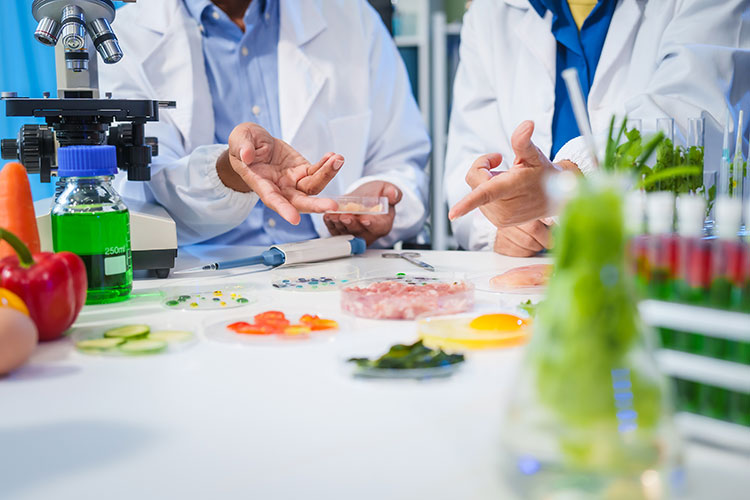
At WISEcode Labs, we specialize in helping businesses meet safety and quality standards through accurate microbiological testing.
From detecting pathogens to verifying hygiene practices, we provide comprehensive testing solutions tailored to your needs. Whether you're launching a new product or ensuring regulatory compliance, our food microbiology lab is here to support your business every step of the way.
Food microbiology is the study of microorganisms that inhabit, create, or contaminate food. This scientific field encompasses various aspects of microbial activity in food, including the roles they play in food spoilage, fermentation, and foodborne diseases. Food microbiologists work to understand these microorganisms to ensure food safety and enhance food production processes.
can be both beneficial and harmful. Beneficial microorganisms, such as probiotics and those used in fermentation (e.g., Lactobacillus in yogurt), contribute to food production and preservation.
They enhance flavors, textures, and nutritional value. On the other hand, harmful microorganisms, including pathogens like Salmonella, E. coli, and Listeria, can cause foodborne illnesses. These harmful bacteria, viruses, and fungi can contaminate food at any stage of production and pose serious health risks.
Microbiological testing is critical for businesses in the food industry to ensure compliance with regulatory standards and protect consumer health. Regulatory bodies like the FDA and USDA set stringent guidelines for food safety, requiring regular testing to detect harmful pathogens and contaminants in food products.
Failure to meet these standards can result in costly recalls, fines, and long-term damage to a brand's reputation. At WISEcode Labs, we help businesses navigate these regulatory requirements by providing comprehensive testing services through our food microbiology lab, ensuring that your products are safe and compliant.
The primary role of microbiological testing is to prevent foodborne illnesses. Harmful bacteria like Salmonella, E. coli, and Listeria can contaminate food products at various stages of production, posing serious health risks to consumers. Regular testing helps identify these pathogens early, allowing businesses to take corrective action before products reach the market. By ensuring your products are free from harmful contaminants, you protect your customers and uphold your brand’s commitment to safety and quality.
Additionally, the business benefits of microbiological testing are substantial. A reliable testing process enhances your brand's reputation by showing that you prioritize food safety. It also reduces the risk of costly recalls, which can tarnish consumer trust. With the expertise of WISEcode Labs, we offer tailored testing solutions that not only ensure compliance but also build consumer confidence in your products, helping your business thrive in a competitive marketplace.
Food microbiology labs play a pivotal role in testing for pathogens and spoilage organisms to ensure the safety and quality of food products. Common Pathogens:
Often found in poultry, eggs, and dairy products, Salmonella can cause severe gastrointestinal illness.
This bacterium, particularly the strain O157:H7, is known for causing severe foodborne disease outbreaks, often linked to undercooked beef and contaminated vegetables.
Commonly found in ready-to-eat foods, Listeria can cause listeriosis, a serious infection especially dangerous for pregnant women, newborns, and immunocompromised individuals.
Methods for Detecting Spoilage Organisms
Detecting spoilage organisms involves various microbiological techniques, such as culture methods and molecular assays, to identify and quantify microorganisms that cause food spoilage.
Ensuring Food Safety and Compliance
Food microbiology labs ensure food safety by adhering to regulatory requirements and standards. They implement protocols like Hazard Analysis and Critical Control Points (HACCP) to manage and mitigate risks throughout the food production process.
Quality Control and Shelf-Life Studies
Labs conduct quality control and shelf-life studies by analyzing microbial growth over time and assessing its impact on food quality. This ensures that food products remain safe and of high quality until consumption.
Plate Counting: This method involves spreading a diluted sample on an agar plate and counting the number of colony-forming units (CFUs) to estimate the microbial load.
Enrichment Cultures: Used to enhance the growth of specific microorganisms to detectable levels, particularly when their numbers are low in the sample.
PCR (Polymerase Chain Reaction): PCR amplifies specific DNA sequences, making it possible to detect and identify microorganisms quickly and accurately.
qPCR (Quantitative PCR): This technique quantifies the amount of microbial DNA present in a sample, providing precise measurements of microbial load.
ELISA (Enzyme-Linked Immunosorbent Assay): ELISA detects specific antigens or antibodies in a sample, offering rapid and sensitive identification of pathogens.
Lateral Flow Assays: These portable, easy-to-use tests provide quick results for detecting specific microorganisms, similar to pregnancy tests.
Third-party testing is essential for businesses in the food industry to ensure the safety, quality, and compliance of their products. Unlike internal testing, which may be prone to bias or conflicts of interest, third-party testing provides unbiased, independent results. This impartial approach is critical when verifying the safety and quality of your food products, offering your business an extra layer of credibility and trust with consumers.
Third-party testing also plays a crucial role in helping businesses comply with stringent industry regulations. Whether you're adhering to FDA, USDA, or other regulatory requirements, independent testing ensures your products meet all necessary standards. Compliance is non-negotiable in the food industry, and third-party labs like WISEcode Labs help you avoid costly mistakes, such as failed inspections or product recalls, which can damage your brand's reputation.
Working with a specialized food microbiology lab like WISEcode Labs offers distinct advantages. Our advanced testing methods and industry expertise ensure that your products are thoroughly tested for harmful pathogens, spoilage organisms, and allergens. We provide businesses with accurate, reliable results that they can trust, ensuring both regulatory compliance and consumer safety. At WISEcode Labs, we understand the unique challenges businesses face in the food industry, and we're here to offer tailored testing solutions that meet your specific needs. Let us handle the testing, so you can focus on delivering high-quality, safe products to your customers with confidence.
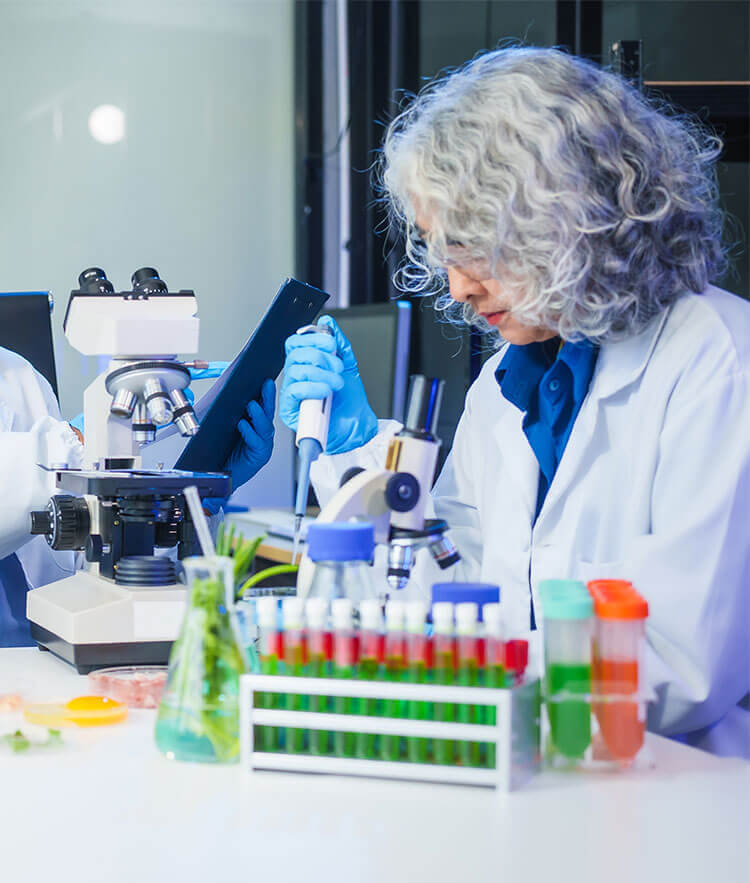
In the rapidly evolving field of food microbiology labs, several emerging trends and technologies are revolutionizing the way we ensure food safety and quality. These advancements enhance the speed, accuracy, and efficiency of microbial testing, providing critical support for the food industry.
Rapid testing methods are transforming food microbiology labs by significantly reducing the time required to detect and quantify microorganisms. Techniques such as real-time PCR (qPCR) and enzyme-linked immunosorbent assays (ELISA) provide quick and reliable results, allowing for timely decision-making in food safety management.
Next-generation sequencing (NGS) is a cutting-edge technology that offers comprehensive insights into the microbial communities present in food samples. NGS can identify and quantify a vast array of microorganisms simultaneously, providing detailed information about the genetic composition of pathogens and spoilage organisms.
This level of detail enhances our understanding of microbial contamination and helps develop more effective control strategies.
Automation and robotics are streamlining operations in food microbiology labs, increasing throughput and reducing human error. Automated systems for sample preparation, microbial culture, and data analysis improve efficiency and consistency. These technologies free up lab personnel to focus on more complex tasks, enhancing overall productivity.
Automated sample preparation systems standardize the process of preparing food samples for microbial testing. These systems ensure consistent sample quality and reduce the risk of contamination, leading to more accurate and reliable results. Automation in sample preparation also speeds up the workflow, enabling labs to handle larger volumes of samples.
High-throughput screening technologies enable food microbiology labs to test large numbers of samples quickly and efficiently.
These systems use advanced robotics and automation to perform multiple tests simultaneously, providing rapid and comprehensive data on microbial contamination. High-throughput screening is essential for large-scale food production and processing facilities where timely and accurate testing is critical.
At WISEcode Labs, we leverage these emerging technologies to deliver lightning-fast, precise results with full access to underlying data. Our commitment to fearless transparency and innovation ensures that we stay at the forefront of food microbiology lab advancements. Partner with us to navigate the complexities of food safety with confidence and expertise.
Ensuring food safety and quality is essential for any business in the food industry, and working with a reliable food microbiology lab is key to achieving that.
At WISEcode Labs, we specialize in providing accurate and reliable microbiological testing to help businesses meet regulatory standards and ensure their products are safe for consumers.
From detecting harmful pathogens to verifying product quality, we offer comprehensive testing solutions tailored to your needs. Let us handle the testing, so you can focus on delivering safe, high-quality products to the market with confidence.
Food microbiology labs test for harmful pathogens and spoilage organisms, ensuring food safety and quality. They also support regulatory compliance and quality control, helping to maintain the integrity of the food supply chain and protect public health.
Common methods include culture techniques like plate counting, molecular methods such as PCR and qPCR, and rapid detection methods like ELISA and lateral flow assays. These techniques identify and quantify microorganisms in food samples.
Third-party testing provides an unbiased assessment of food safety and quality, verifying that products meet regulatory standards. It helps prevent contamination, ensures accurate labeling, and enhances consumer trust in food products.
Essential equipment includes incubators, autoclaves, microscopes, and sterile workspaces. Labs also require consumables like culture media, Petri dishes, and pipettes to conduct accurate and reliable microbial testing.
Labs ensure accurate results by maintaining calibrated equipment, following standard operating procedures (SOPs), and employing skilled microbiologists. Regular proficiency testing and adherence to quality control measures further enhance accuracy and reliability.
.jpg)