Regenerative Farming
Regenerative Farming: Everything You Need to Know
June 25, 2025
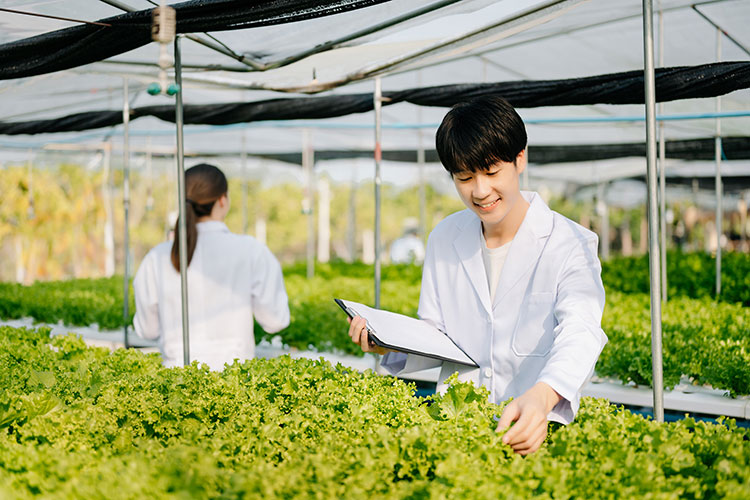
to microbiological testing, we’re here to support your efforts in creating sustainable products.
Our tailored testing solutions ensure your farming practices align with industry standards, helping your business thrive while promoting environmental stewardship.
Regenerative farming prioritizes soil health and biodiversity to create a resilient and sustainable agricultural system. By maintaining healthy soil, farmers can enhance water retention, reduce erosion, and increase plant nutrient availability. Biodiversity, achieved through diverse plant and animal species, supports ecosystem balance and pest control, leading to healthier crops and livestock.
Integrating crop and livestock farming is a cornerstone of regenerative agriculture. This practice mimics natural ecosystems where plants and animals coexist and support each other. Livestock grazing helps manage plant growth, reduce weeds, and fertilize the soil with manure, while diverse crops provide varied diets for animals and improve soil fertility.
Regenerative farming emphasizes ecological balance and sustainability by working with nature rather than against it. This approach reduces reliance on synthetic inputs, minimizes environmental impact, and enhances ecosystem services. Sustainable practices ensure long-term productivity and resilience, contributing to the overall health of the planet.
Regenerative farming is a powerful movement that seeks to restore ecosystems, improve soil health, and increase biodiversity while reducing environmental impacts. However, while the principles of regenerative farming are transformative, it’s crucial to verify the effectiveness of these practices through rigorous testing. This is where third-party testing becomes essential for businesses.
Third-party testing provides an unbiased, reliable way to verify the success of regenerative farming methods. It helps ensure that the practices are delivering on their promises of sustainability and productivity. For businesses, relying solely on internal testing can lead to conflicts of interest or overlooked compliance issues. By bringing in a trusted third-party lab, businesses can obtain accurate data and a clear understanding of how well their regenerative efforts are working.
One of the main benefits of third-party testing is that it ensures compliance with industry regulations. Whether your business operates in the food, agriculture, or environmental sectors, meeting regulatory standards is crucial. Regenerative farming practices often intersect with various environmental and agricultural guidelines, and third-party testing ensures that your business is not only adhering to these regulations but exceeding them. Testing helps you maintain compliance with the Environmental Protection Agency (EPA), USDA, and other regulatory bodies that have strict guidelines related to soil health, crop contamination, water quality, and more.
Healthy soil is at the heart of regenerative farming. Testing the soil quality helps verify the success of practices such as crop rotation, cover cropping, and reduced tillage. At WISEcode Labs, we test for essential soil parameters, including nutrient levels, organic matter content, and soil pH. These tests ensure that your farming methods are improving soil fertility and contributing to long-term sustainability.
One of the goals of regenerative farming is to enhance soil biodiversity. Testing the microbiological content of the soil allows you to understand the balance of beneficial microbes and assess the presence of harmful pathogens. By monitoring the microbial health of your soil, we help you ensure that your regenerative efforts are creating a thriving, balanced ecosystem.
Water conservation and management are key components of regenerative farming. Third-party testing helps ensure that your water sources are free from contaminants like pesticides, heavy metals, or harmful bacteria. At WISEcode Labs, we conduct detailed water quality analysis to ensure your irrigation practices are safe and sustainable.
Regenerative farming aims to produce high-quality, chemical-free crops. However, ensuring that your crops are free from contamination is essential. Third-party testing helps detect pesticide residues, heavy metals, and other contaminants, ensuring that your crops meet industry standards for safety and quality. This not only protects consumers but also boosts the credibility of your brand.
Regenerative farming offers numerous environmental benefits, including carbon sequestration and climate change mitigation. By enhancing soil organic matter and reducing greenhouse gas emissions, these practices help combat global warming. Additionally, regenerative farming improves biodiversity and ecosystem health, supporting pollinators, wildlife, and natural pest control.
Economically, regenerative farming increases farm profitability and resilience. Reduced input costs, improved soil health, and diversified income streams contribute to financial stability. Enhanced yields and quality of crops and livestock products also open up premium markets, providing higher returns for farmers.
Regenerative farming supports social benefits such as improved food security and community health. By producing nutrient-dense foods and reducing chemical residues, it enhances public health. Furthermore, regenerative practices empower local communities and farmers, promoting knowledge sharing, collaboration, and sustainable livelihoods.
When it comes to regenerative farming, having a trusted partner to handle third-party testing is essential. At WISEcode Labs, we offer a full suite of testing services designed to support your regenerative farming efforts and ensure that your practices are working effectively.
Our expertise in testing soil health, water quality, and microbiological safety sets us apart. We understand the unique demands of regenerative farming and offer customized testing solutions to meet the specific needs of your business. Whether you're new to regenerative farming or an experienced practitioner, our services are designed to help you verify your results and demonstrate your commitment to sustainable agriculture.
One of the key benefits of working with WISEcode Labs is our comprehensive approach to soil health testing. We don't just measure the basic soil properties; we go deeper by analyzing the microbiological content of your soil. This gives you a clear picture of how your farming practices are impacting soil biodiversity and long-term soil fertility. Our soil health testing is complemented by our expertise in water quality analysis, ensuring that your water usage is sustainable and free from harmful contaminants.
At WISEcode, we know that every business is different, and that’s why we offer tailored testing solutions. We work closely with you to understand your specific goals and challenges, and then we create a testing plan that aligns with your needs. Whether you’re looking for ongoing testing to track the progress of your regenerative efforts or a one-time assessment to ensure compliance, we’ve got you covered.
At WISEcode Labs, we believe that third-party testing should be more than just a checkbox on your regulatory compliance list—it should be an integral part of your business strategy. We provide tailored testing services designed to meet the specific needs of businesses involved in regenerative farming, and we take pride in delivering results that help you grow your business while staying true to your sustainability goals.
One of the key ways we support your business is by offering fast, reliable testing results. We know that time is critical in agriculture, and waiting too long for test results can delay important decisions. That’s why we focus on providing timely data, so you can keep your operations running smoothly without sacrificing quality or safety. Whether you’re testing soil, water, or crops, you can count on us to deliver accurate results quickly.
We also help businesses reduce risk through comprehensive testing solutions. Regenerative farming, while highly beneficial, comes with its own set of challenges, including the potential for contamination or nutrient imbalances. Our testing services help you catch these issues early, allowing you to address them before they become bigger problems. This proactive approach ensures that your products remain safe, your crops thrive, and your business stays compliant with industry regulations.

WISEcode Labs is more than just a testing lab—we’re a partner in your success. By working with us, you’re gaining access to a team of experts who are dedicated to helping you succeed in the competitive world of regenerative farming. We’re here to provide guidance, support, and the testing services you need to ensure long-term success in sustainable farming practices.
In conclusion, third-party testing plays a vital role in verifying the success of regenerative farming practices, and at WISEcode Labs, we’re here to help you every step of the way. With our expertise in soil health, water quality, and microbiological safety, we offer the testing solutions you need to ensure compliance, reduce risk, and maintain product quality. Let us be your partner in building a sustainable future for your business and the environment.
Regenerative farming is transforming how businesses approach sustainable agriculture by improving soil health, increasing biodiversity, and reducing carbon footprints. At WISEcode Labs, we support businesses committed to these practices by offering reliable third-party testing to ensure the health of your soil, water, and crops.
From microbiological testing to soil nutrient analysis, we help you verify that your regenerative practices are working effectively.
By partnering with us, you can confidently demonstrate your commitment to sustainability while ensuring product quality and compliance with industry standards. Let us help you grow a more sustainable future with accurate testing you can trust.
Regenerative farming is an agricultural approach that focuses on restoring and enhancing soil health, increasing biodiversity, and improving the ecosystem. It involves practices like crop rotation, cover cropping, no-till farming, and holistic grazing, which help in sequestering carbon and improving soil fertility.
Regenerative farming benefits the environment by improving soil health, increasing biodiversity, and reducing greenhouse gas emissions. Practices like cover cropping and no-till farming prevent soil erosion, enhance water retention, and sequester carbon, contributing to climate change mitigation and creating a more resilient ecosystem
Common practices in regenerative farming include crop rotation, cover cropping, no-till farming, composting, and holistic grazing. These methods aim to enhance soil health, increase biodiversity, and promote sustainable agriculture by minimizing soil disturbance, enhancing organic matter, and supporting diverse plant and animal life.
Regenerative farming improves soil health by increasing organic matter, enhancing microbial activity, and preventing soil erosion. Practices like cover cropping, crop rotation, and no-till farming help in maintaining soil structure, improving nutrient cycling, and boosting water retention, leading to more fertile and resilient soil.
Yes, regenerative farming can be profitable for farmers. By improving soil health and reducing dependency on chemical inputs, farmers can lower production costs and increase yields. Additionally, regenerative practices often lead to higher-quality produce and can open up new market opportunities for sustainably grown products.
.jpg)